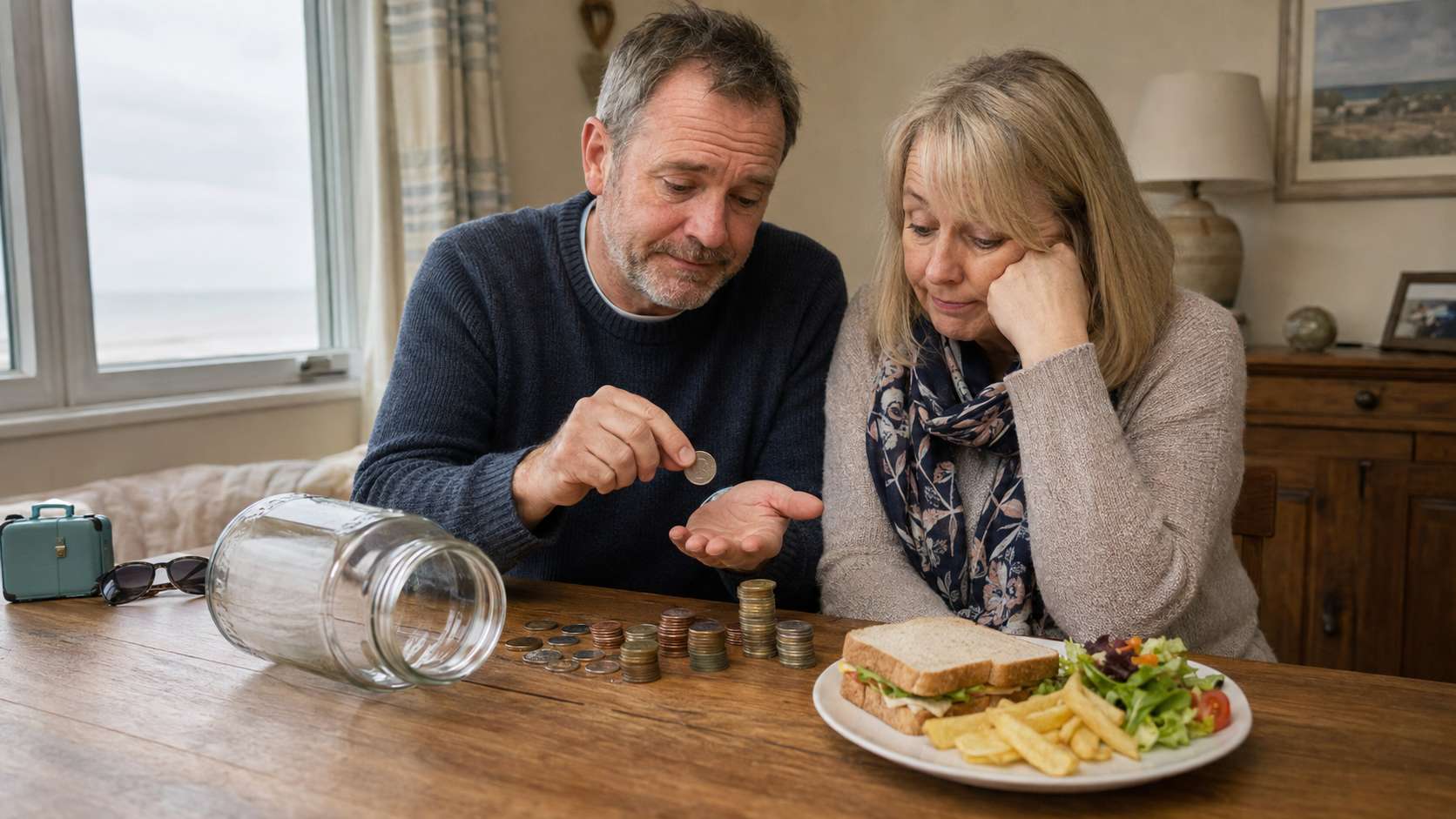
The Bottomley family introduced Leftovers Final after noticing that the refrigerator looked full every Thursday but contained nothing anybody could describe as a meal. Typical discoveries included half a pepper, three spoonfuls of rice, a solitary sausage and a container whose lid belonged to another container entirely.
Previously, the family postponed decisions until bin day. Now each edible item is placed on the kitchen counter and assessed for freshness, usefulness and whether anyone remembers when it was cooked. Food safety takes priority. Anything questionable is discarded, and reheating follows appropriate guidance.
Safe ingredients then enter the competition.
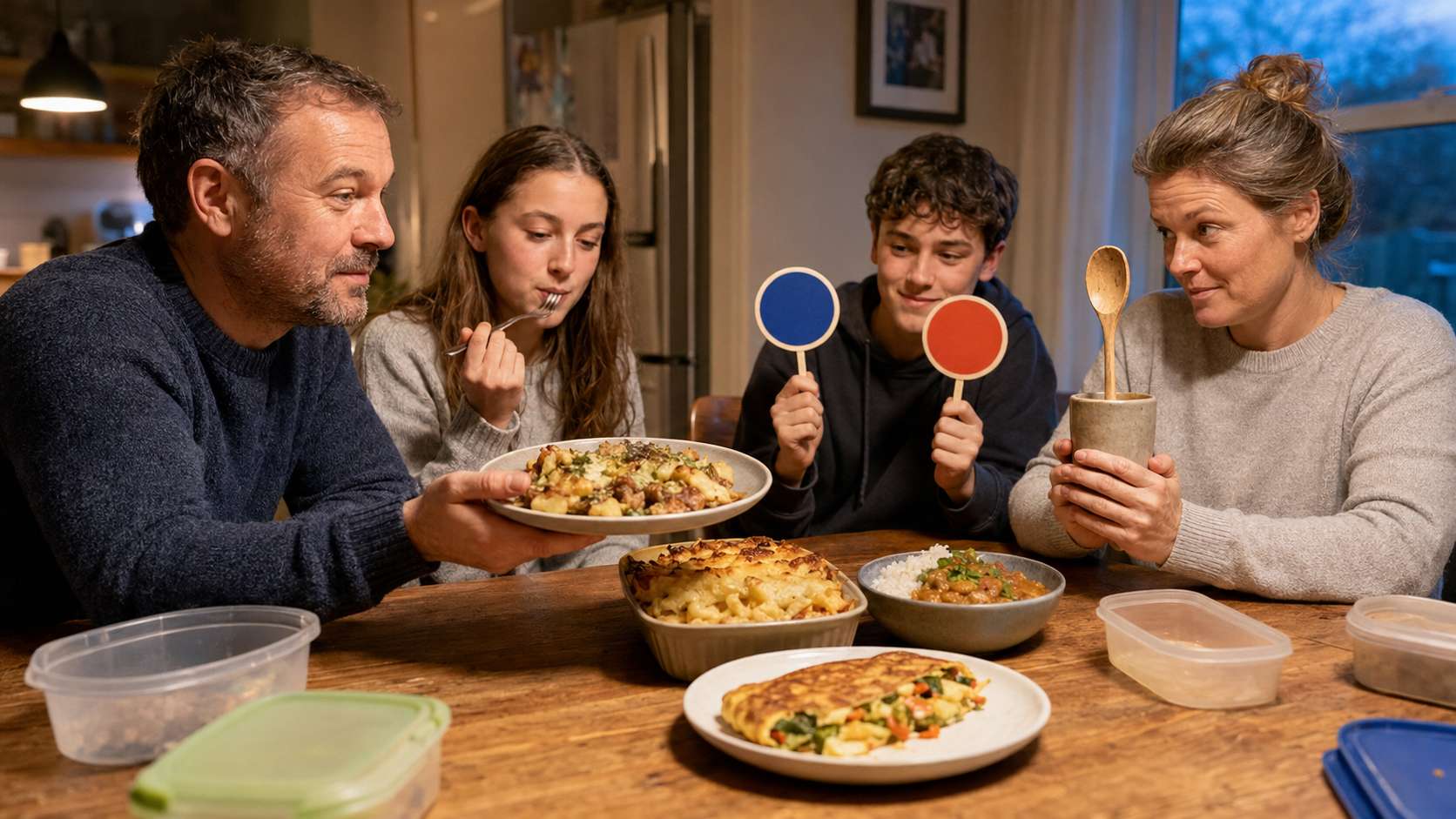
Parents Rita and Colin Bottomley each create a dish without buying additional food. Their teenage children score the results for taste, appearance and bravery. The winner receives control of the television remote for one evening, a prize that has made presentation standards unexpectedly serious.
The first final produced fried rice containing vegetables, egg and chopped sausage. It defeated a pasta bake whose sauce had been improved with cheese but weakened by the decision to add two unrelated olives for balance.
Week two was closer. Rita made soup from vegetables and stock, while Colin assembled what he called a layered savoury experience. The judges identified it as things on toast and awarded points for honesty only after the name was changed.
The system has altered shopping habits. Before visiting a supermarket, the family checks cupboards and plans meals around food already available. Duplicate jars have become less common. Fresh ingredients are frozen when suitable, and portions are adjusted when a previous meal created enough leftovers to feed an unexpectedly hungry committee.
Reducing food waste can lower household spending, but savings vary according to diet, prices and existing habits. Families should use reliable food-storage advice, observe use-by dates and avoid consuming food that may be unsafe. A comic competition is not a substitute for sensible judgement.
The Bottomleys track results on a magnetic board. Categories include best rescue, most improved vegetable and ingredient least likely to be purchased again. Celery currently leads the final category after appearing in four consecutive rounds without attracting a supporter.
There have been strategic disputes. Colin accused Rita of saving desirable leftovers specifically for her turn. Rita responded by introducing a rule requiring all available ingredients to be declared before cooking begins. The refrigerator now has a transfer window that closes at six.
Friday dinner remains unpredictable, but the family says it has become easier than deciding among several new recipes. Nobody expects perfection, and a supply of bread is kept nearby for meals that achieve originality more successfully than flavour.
The household has not calculated a dramatic annual saving. Its grocery bill is slightly lower, less edible food is thrown away and forgotten containers no longer conduct private experiments at the back of the fridge.
For the Bottomleys, that is enough. Leftovers Final returns this week with half a bag of spinach, cooked potatoes and a quantity of yoghurt requiring a calm assessment. Colin has already requested use of the blender. The judging panel has asked him to reconsider.