
A Twenty-Minute Walk Expands.
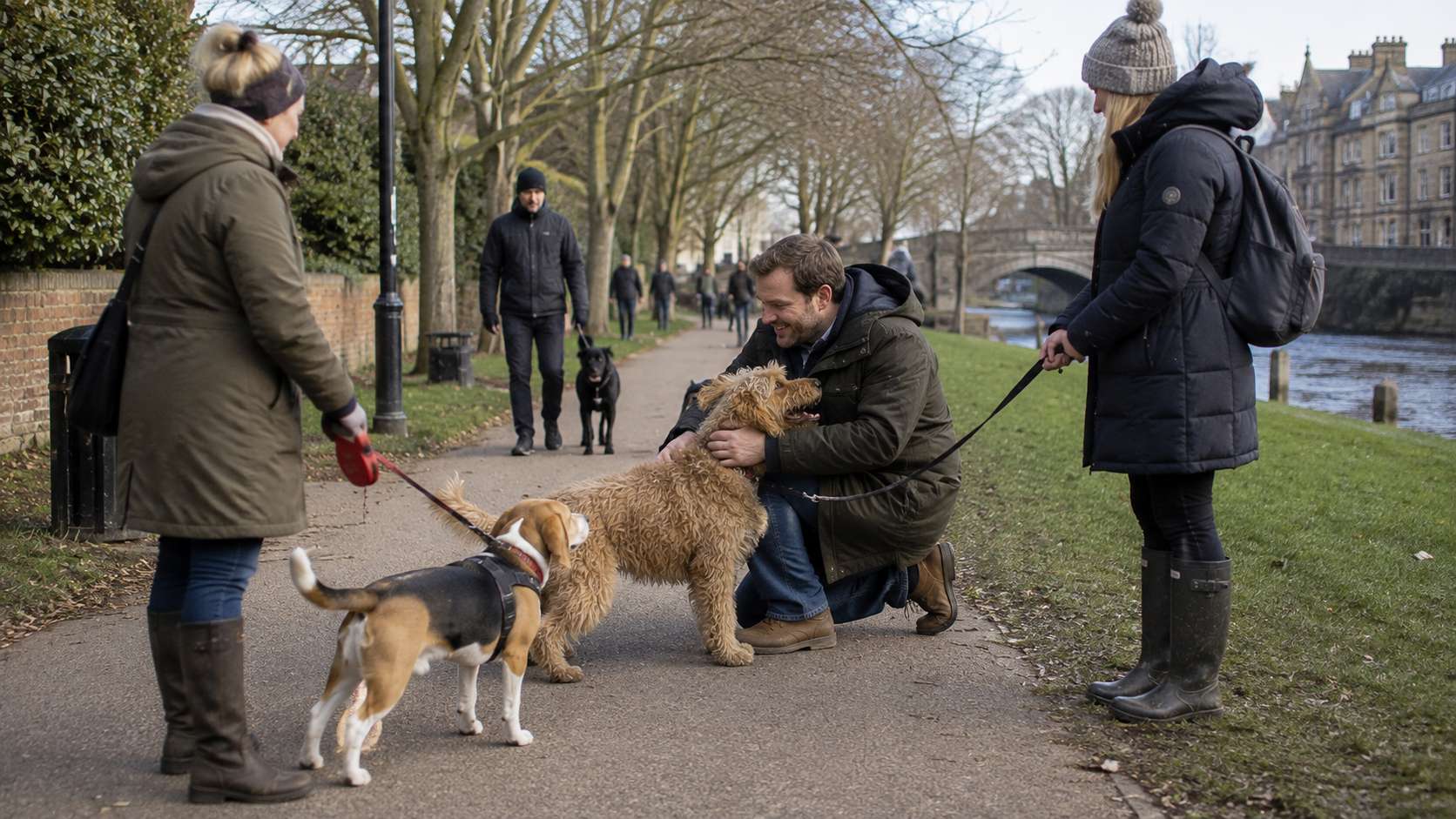
A short dog walk near Spalding lasted almost two hours after the owner stopped to greet every dog encountered and felt socially required to remember each animal's name. The route was intended to cover a nearby path and return before lunch. Progress slowed within three minutes when a spaniel called Alfie appeared, followed by two terriers whose names sounded similar enough to create immediate pressure.
Dog Names Become Essential.
The owner knows most local dogs but fewer of their humans. Greetings therefore follow a reliable pattern: address the animal by name, ask whether it has been good and then attempt to identify the person through context. This worked until meeting a Labrador remembered as either Poppy or Molly. The owner avoided choosing by saying 'hello, you', but the dog showed no concern and continued examining a hedge.
Every Stop Adds Time.
Conversations covered weather, walking routes, muddy sections and which field currently contains livestock. Dogs exchanged information through methods not included in the human discussion. One encounter involved a puppy requiring admiration from several angles. Another concerned an elderly dog moving slowly but receiving a full ceremonial welcome. The owner's own dog waited patiently, appearing to understand that the walk was less about distance than community administration.
A Familiar Bird Appears.
Near the halfway point, the group encountered Mabel, the unusually confident seagull often seen around the Tesco car park. Her presence led to a five-minute debate about whether coastal birds can become local residents inland. Mabel offered no comment and inspected a discarded wrapper. By then, the planned return time had passed and lunch arrangements were becoming theoretical.
Dog Walking Search Intent.
Residents searching for dog-friendly walks near Spalding, safe Lincolnshire footpaths and local pet groups usually want practical information about parking, leads and surface conditions. The social element receives less attention, despite having a major effect on journey time. Regular walkers recommend allowing extra minutes for greetings, carrying bags and accepting that dogs may maintain a wider network of acquaintances than their owners.
Why The Story Matters Locally.
For readers searching for practical local information, the episode offers a simple lesson without turning into formal advice. Check details early, keep instructions clear and do not assume the obvious explanation has already been considered. These principles apply to homes, journeys, shopping and community events across Spalding and the surrounding Lincolnshire towns. They also save time that would otherwise be spent explaining the situation to people who have arrived mainly to watch.
Why The Story Matters Locally.
Local businesses benefit when unusual stories bring residents together, even when nobody planned the publicity. Cafés gain conversations, shops receive curious visitors and community groups discover new members. The effect is modest but real: people searching for things to do nearby often respond to stories that make a place feel active and recognisable. A town does not need a major festival every week when it already has residents capable of creating a full discussion from a spoon, sign or missing household object.
Why The Story Matters Locally.
There is also a search-intent reason these stories travel. People look online for answers to everyday problems using direct phrases, place names and practical questions. They want to know whether others have experienced the same issue, how it was resolved and what to try next. A useful local article can meet that need while remaining entertaining, provided the relevant terms appear naturally and the information stays focused on the actual event rather than repeating keywords without purpose.
Why The Story Matters Locally.
Residents involved have asked that the matter remain in proportion. Nobody was injured, no emergency services were required and the wider economy appears stable. Even so, the event has earned a place in local memory because it combined mild inconvenience with complete confidence. That combination is common across Britain and particularly powerful in communities where somebody always knows a person who could have solved the problem earlier.
The Walk Finally Ends.
The pair returned home one hour and thirty-seven minutes later, having travelled only slightly farther than planned. The dog was tired, the owner knew three new canine names and lunch had become an afternoon meal. Future short walks will include a time allowance for conversation, although everyone accepts this will fail the moment a puppy appears.
Join The Conversation.
Have you experienced something similar in Lincolnshire or elsewhere across Lincolnshire? Share what happened, how it was resolved and whether the sensible solution appeared before or after everybody had formed an opinion.
Tell Spalding News which everyday local story deserves attention next. Share this article with neighbours, friends and family who will recognise the situation immediately, even if they insist their version was much more complicated.
