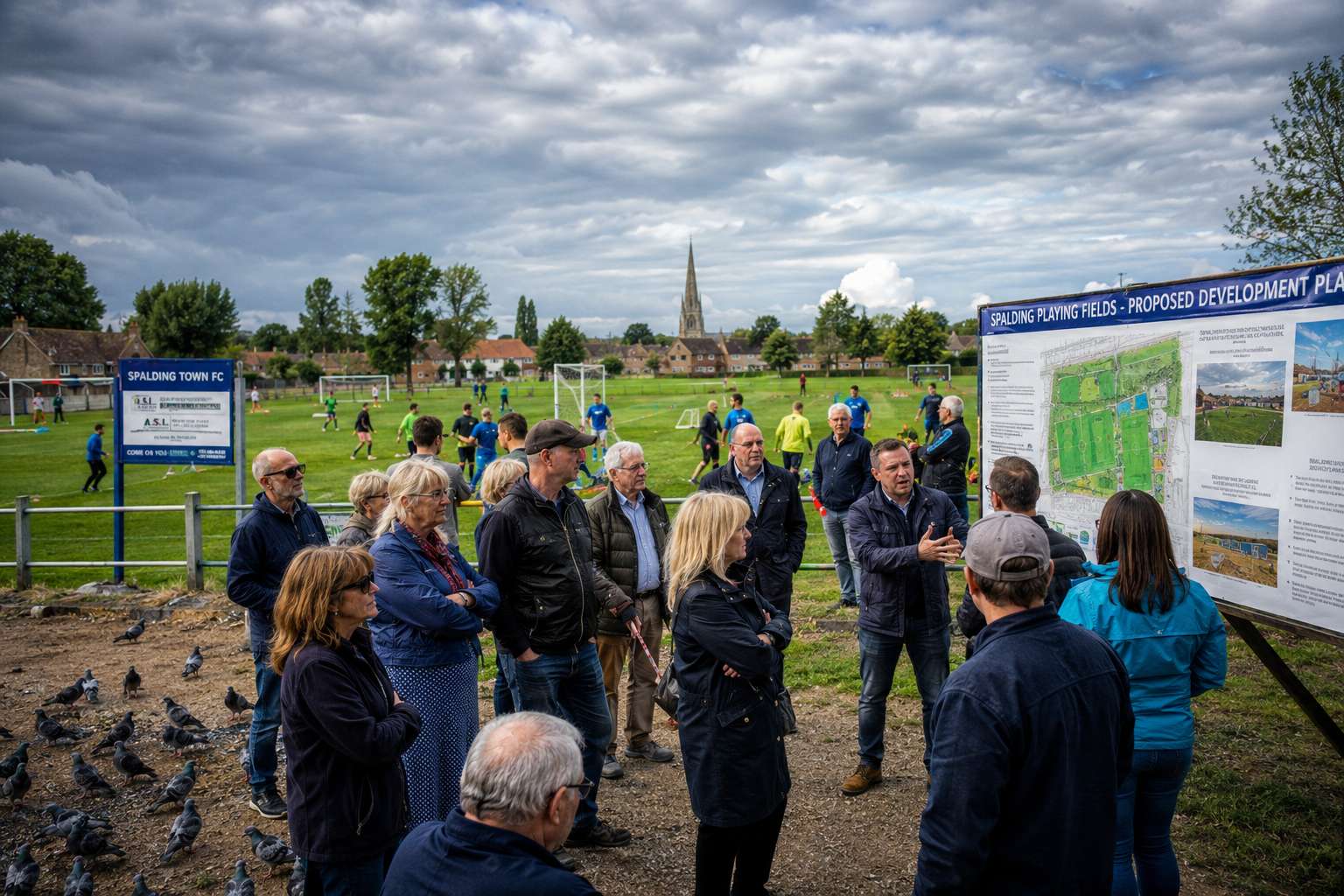
A major new plan for a popular playing field in Spalding has been unveiled, with officials promising a "bold vision for the future" while residents attempt to work out exactly what that means.
The proposal, described as a once-in-a-generation opportunity, would reportedly transform part of the town's well-used playing field into a multi-purpose community destination featuring improved pathways, seating areas, sports facilities and what planners have cautiously labelled "enhanced opportunities for strategic standing about."
The announcement immediately generated excitement, confusion and at least three strongly worded comments on social media before breakfast.
Local representatives insist the project will benefit residents of all ages, while campaigners have already formed a group dedicated to protecting the field's existing ecosystem, which currently consists of footballers, dog walkers and several pigeons that appear to own the place.
Residents Demand Details.
Public consultation meetings are expected to begin shortly, giving residents the opportunity to ask important questions such as where the money is coming from, whether parking will become impossible and why every development proposal in Britain eventually includes decorative benches.
One resident told reporters they supported investment in community facilities but wanted assurances that local traditions would remain protected.
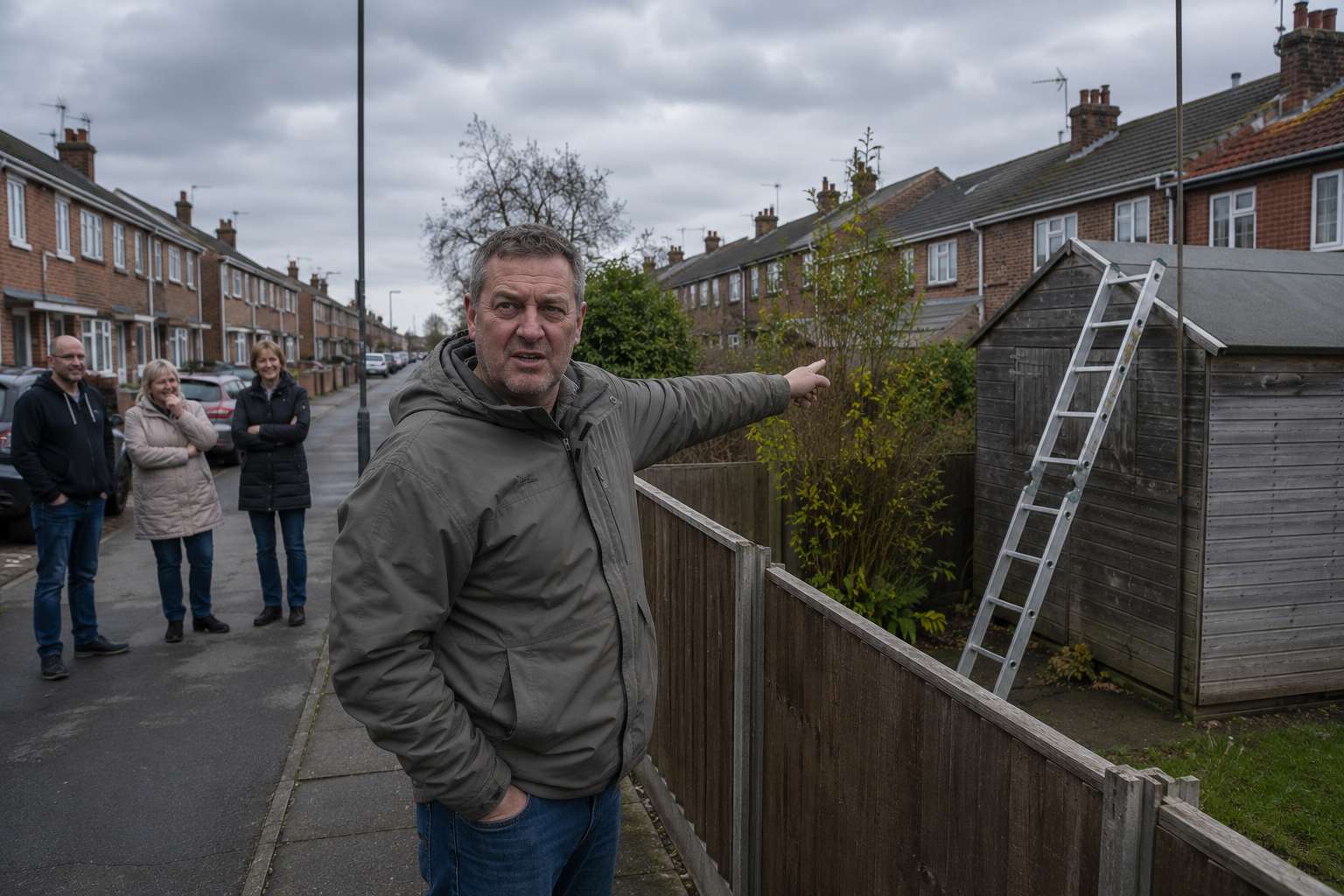
"We've been standing around discussing planning applications here for years," they said. "You can't just replace heritage like that."
The proposed improvements come at a time when access to outdoor space remains a significant national issue. Recent research suggests almost half of Britain lives more than a ten-minute walk from a playing field, highlighting growing concerns about access to recreational land.
The Numbers Behind The Debate.
While officials have yet to release detailed figures, supporters of the scheme point to the wider importance of playing fields across England.
Sport England says more than 1,000 playing fields were protected during a recent reporting period, while 94 percent of planning applications affecting playing fields resulted in facilities being safeguarded or improved.
Nationally, playing fields are considered a key part of England's sporting infrastructure, supporting everything from grassroots football and cricket to rugby and community events.
Meanwhile, studies have highlighted growing inequalities in access to green space. Analysis has found that pupils at some private schools enjoy dramatically more outdoor space than those in many state schools, reinforcing concerns about the availability of recreational land.
For Spalding, a town of roughly 35,000 residents, the debate reflects a broader national conversation about balancing development with preserving community spaces.
Local Wildlife Requests Representation.
Perhaps the most vocal opposition has come from the field's unofficial wildlife community.
A coalition of pigeons, represented by a spokesbird known only as Gary, issued a statement expressing concern about potential disruption.
"We were not consulted," Gary allegedly cooed while inspecting a discarded sandwich crust. "This field has served generations of pigeons. We demand at least one commemorative plaque and continued access to unattended chips."
Environmental observers note that green spaces play an increasingly important role in public wellbeing. Surveys suggest many UK adults spend less than three hours per week in nature, making local outdoor areas more valuable than ever.
Future Vision Raises New Questions.
Council leaders remain optimistic, insisting the development will enhance community life while preserving the area's character.
Critics, however, have pointed out that every major project is described as "transformational," regardless of whether it involves a new sports pavilion or simply repainting a fence.
Planning documents are expected to undergo further review, with consultations likely to continue over the coming months.
Until then, Spalding residents can look forward to the traditional British pastime of debating planning proposals with complete confidence despite having read only the headline.
And if recent history is any guide, the pigeons may yet emerge as the strongest negotiating force involved.
What do you think about the proposed changes to the Spalding playing field?