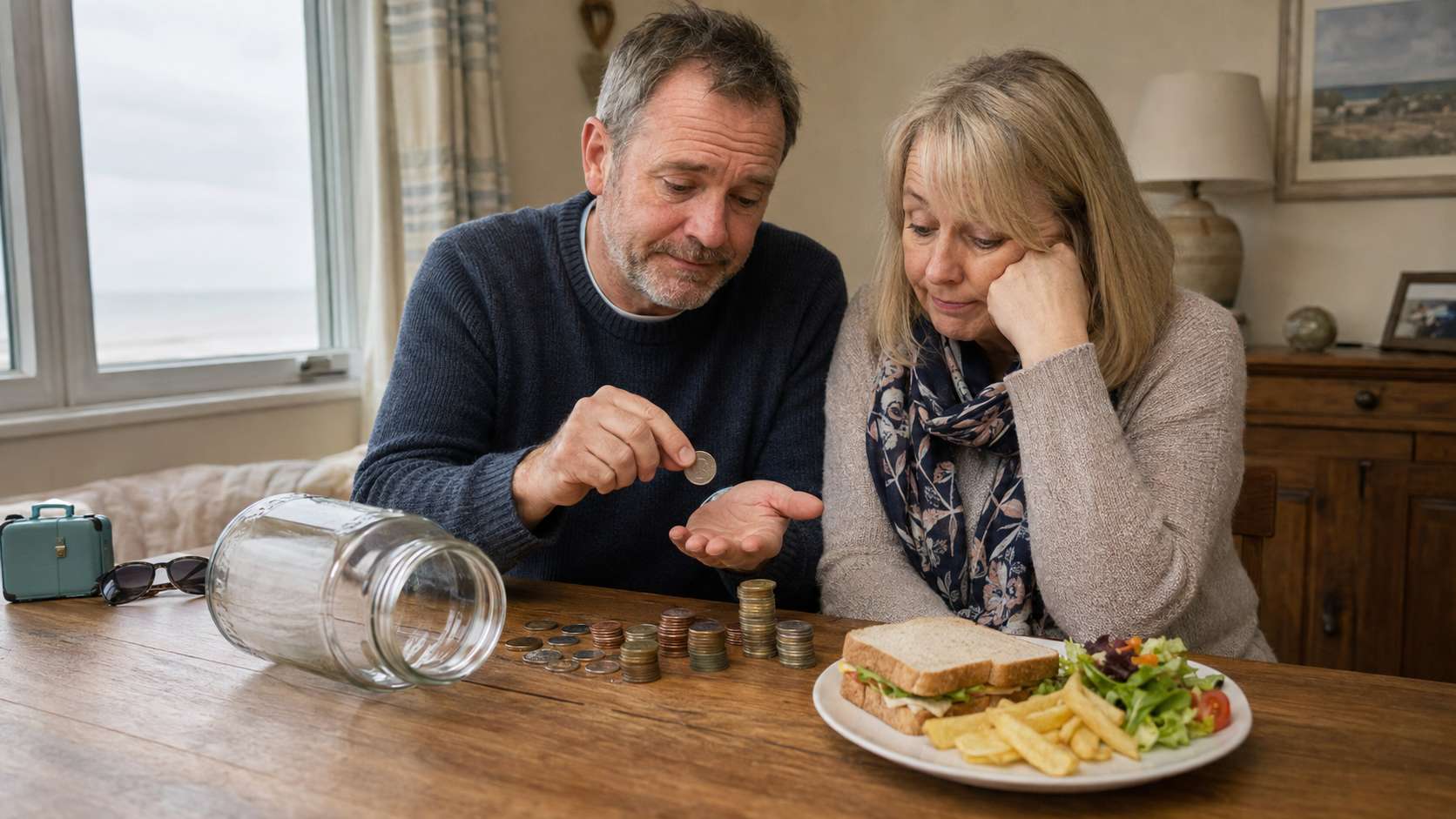
Long Sutton residents have turned an everyday inconvenience into a detailed local project after a frozen drawer refused to close because an unlabelled container had wedged behind it.
Pauline Ketteridge raised the subject with the Ketteridge family. The first stage appeared straightforward. A notebook appeared, responsibilities were assigned and the original problem gained the sort of structure normally reserved for matters involving several clipboards.
The family emptied the freezer onto towels and sorted food into meals, ingredients and objects requiring further historical research.
They found portions of soup, cooked sauce, bread and enough peas to accompany several dinners without purchasing additional vegetables.
Two identical tubs contained different foods, confirming that transparent containers become less informative after enough frost gathers on the lid.
A written list was attached to the freezer door, with dates added before items returned to their shelves.
The household planned six meals, reduced its next shopping list and reserved one container for a cautious midweek reveal.
The inventory also exposed how freezing changes memory. Meals prepared with care became anonymous blocks once labels detached, while a cheap loaf remained instantly recognisable. The family now keeps a marker beside the freezer, removing the short walk during which every intention to label can disappear.
Using food already at home can reduce waste and delay optional shopping, although savings depend on household needs. Safe storage, clear labels and realistic meal planning remain more useful than dramatic claims about instant economies.
The episode reflects a familiar search for practical information around Long Sutton. People usually want to know what happened, what changed and whether the solution is useful beyond the small group involved. In this case, the answer depends less on formal procedure than on observation, patience and knowing where the spare labels are kept.
Anyone dealing with a similar situation should use current official guidance where public services, safety, travel, health or consumer rights are involved. Everyday community experiments work best when they remain voluntary, considerate and easy to abandon if they create more work than the original problem.
By the end of the project, the Ketteridge family had produced a workable result and enough notes to make the outcome look inevitable. Pauline Ketteridge kept the final page, partly as a record and partly because throwing it away would require deciding which local recycling category applies to a document of unusual civic importance.
The arrangement will remain in place while it continues to help. Residents have resisted forming a permanent committee, although a review date has been written in pencil and somebody has already offered to bring biscuits.