Security Works Too Well.
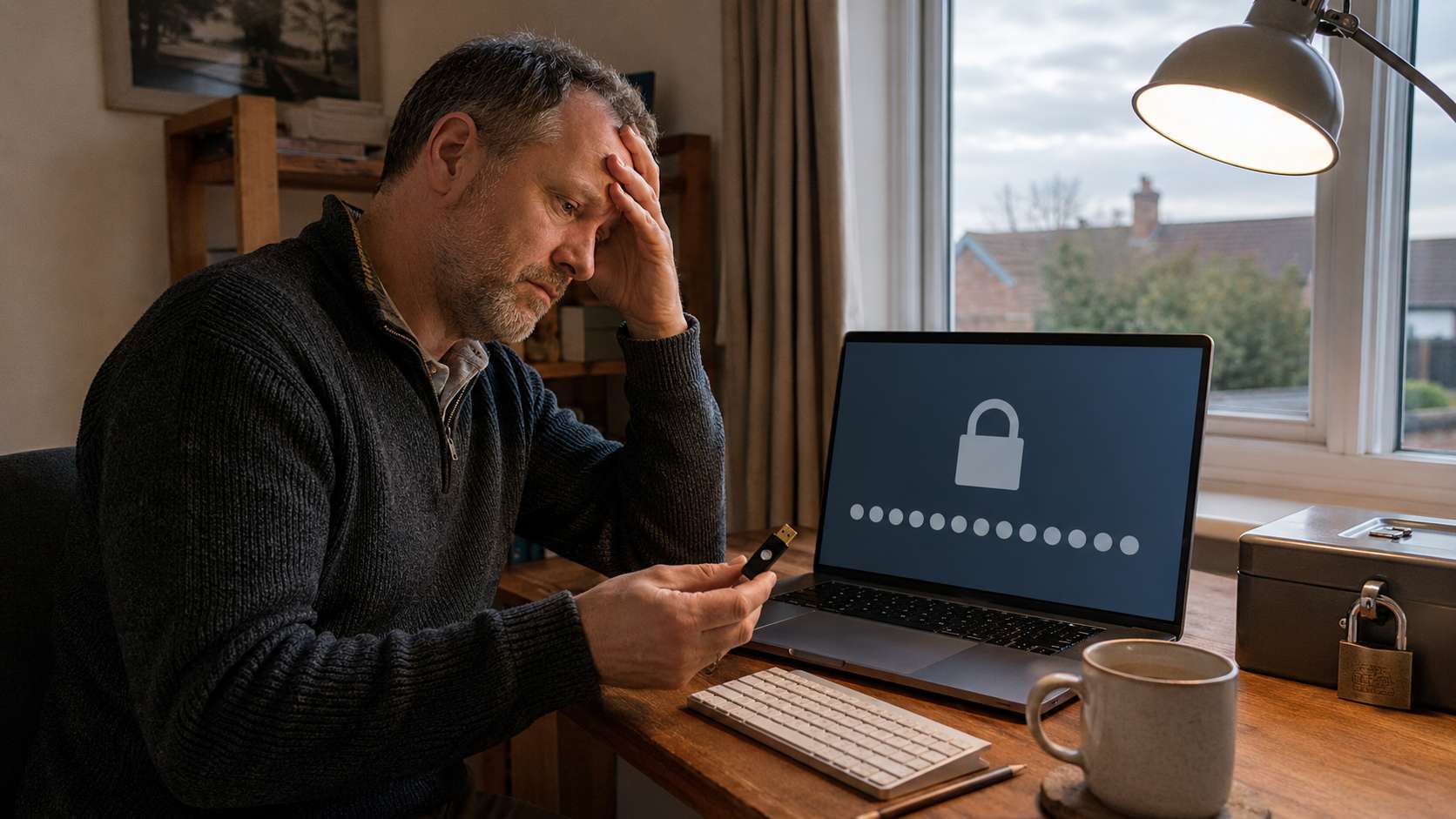
A Moulton resident has created a password so secure that it successfully prevented him from accessing his own accounts. The new password followed advice to use upper and lower-case letters, numbers, symbols and no recognisable personal information. It contained eighteen characters, two punctuation marks and a sequence chosen specifically because it meant nothing. Within four minutes, it also meant nothing to the person who created it.
The Change Spreads Quickly.
Confident in the password's strength, the resident updated his email, shopping account and a streaming service before testing whether he could remember it. The first login failed. The second produced a warning. By the third attempt, the system asked whether suspicious activity was taking place. He replied internally that this was a reasonable question. A handwritten note existed, but it was unclear whether one character was a zero, capital O or an unusually round six.
Recovery Creates More Questions.
Account recovery required access to the email account protected by the forgotten password. A backup code had been sent to an old phone stored in a drawer, but the phone needed charging and used a cable recently placed somewhere safe. Security questions asked for the name of a childhood pet. The resident entered three possible spellings and discovered he may have chosen a fictional answer years earlier to improve security.
Family Members Offer Advice.
Relatives recommended a password manager, though using one required another master password. One suggested writing passwords in a notebook, while another said this defeated the purpose of online security. The debate expanded into fingerprints, facial recognition and whether anybody truly remembers the Wi-Fi code. The resident became increasingly nostalgic for the period when his password was a football team followed by the number one.
Online Security Search Intent.
People searching for strong password advice, account recovery and protection from online fraud are usually encouraged to use unique passwords and multi-factor authentication. These remain sensible measures, but they depend on recovery details being current and accessible. Local technology volunteers recommend password managers from reputable providers, backup codes stored safely and avoiding clues that are easy for others to guess. They also advise testing a new system before changing every account at once.
Why The Story Matters Locally.
Residents involved have asked that the matter remain in proportion. Nobody was injured, no emergency services were required and the wider economy appears stable. Even so, the event has earned a place in local memory because it combined mild inconvenience with complete confidence. That combination is common across Britain and particularly powerful in communities where somebody always knows a person who could have solved the problem earlier.
Why The Story Matters Locally.
The story also reflects a familiar feature of local life: ordinary tasks rarely stay ordinary once neighbours become involved. A quick explanation can become a detailed reconstruction, complete with witnesses, alternative theories and somebody remembering a similar incident from years earlier. That community attention is part of what makes local news useful. It records the small moments residents actually discuss at school gates, counters, cafés and garden fences.
Why The Story Matters Locally.
For readers searching for practical local information, the episode offers a simple lesson without turning into formal advice. Check details early, keep instructions clear and do not assume the obvious explanation has already been considered. These principles apply to homes, journeys, shopping and community events across Spalding and the surrounding Lincolnshire towns. They also save time that would otherwise be spent explaining the situation to people who have arrived mainly to watch.
Why The Story Matters Locally.
Local businesses benefit when unusual stories bring residents together, even when nobody planned the publicity. Cafés gain conversations, shops receive curious visitors and community groups discover new members. The effect is modest but real: people searching for things to do nearby often respond to stories that make a place feel active and recognisable. A town does not need a major festival every week when it already has residents capable of creating a full discussion from a spoon, sign or missing household object.
Access Is Restored.
After two hours, the resident found the charging cable, accessed the old phone and reset the email password. He then created a new secure phrase made from several unrelated words he can actually remember. The original password remains unknown and is considered highly effective. No criminal has accessed the accounts, and for much of the afternoon neither could their owner.
Join The Conversation.
Have you experienced something similar in Moulton or elsewhere across Lincolnshire? Share what happened, how it was resolved and whether the sensible solution appeared before or after everybody had formed an opinion.
Tell Spalding News which everyday local story deserves attention next. Share this article with neighbours, friends and family who will recognise the situation immediately, even if they insist their version was much more complicated.