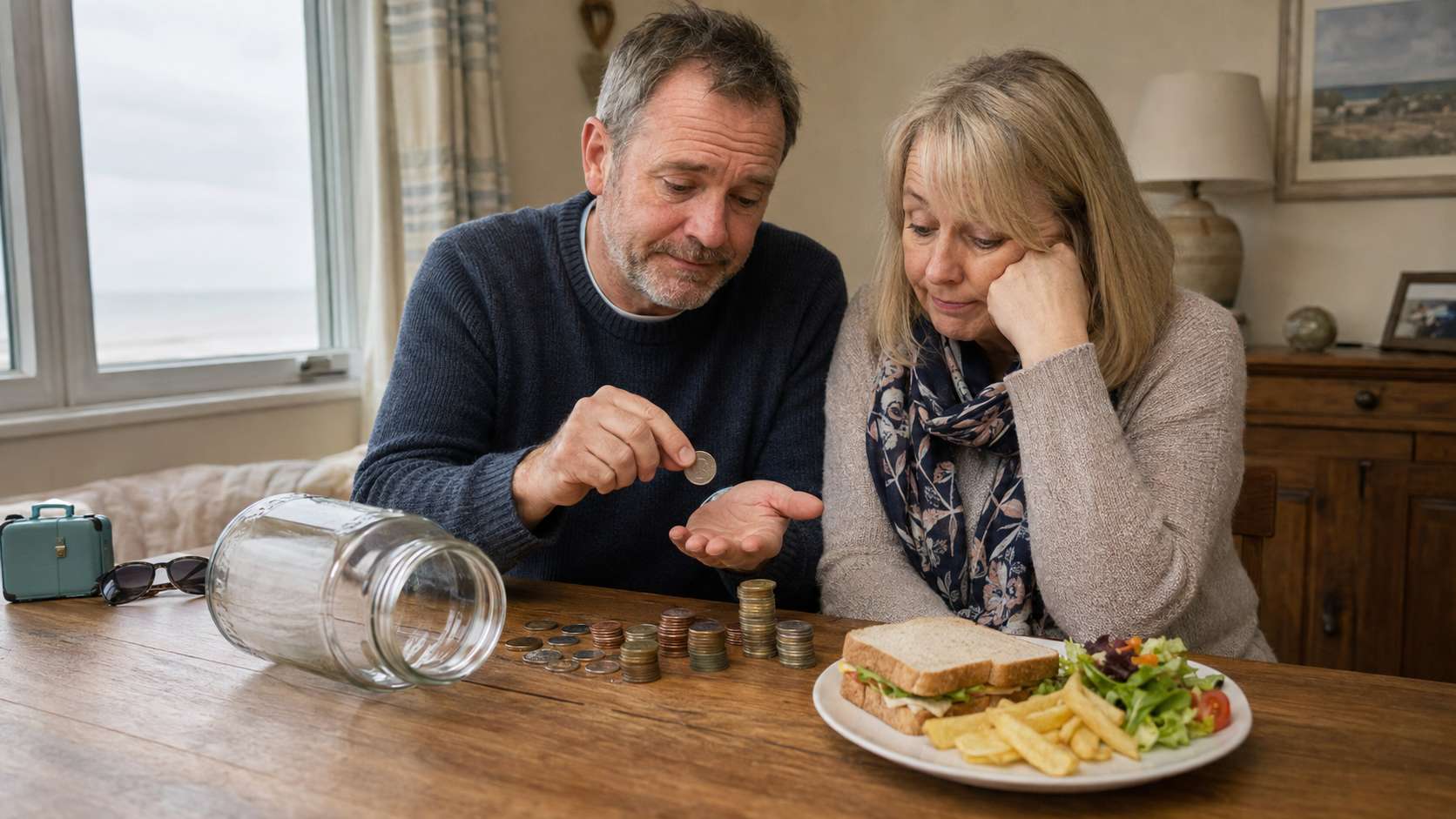
Helen and Marcus Paddleworth began the challenge to make better use of food, entertainment and unfinished jobs already available at home. Their rules prohibited shopping, paid activities and takeaway meals from Friday evening until Monday morning.
The first evening went smoothly. They cooked ingredients already in the fridge and watched a film included with a subscription they had paid for months earlier. Marcus briefly questioned whether using electricity counted as spending, but the discussion ended when Helen turned the television volume up.
Saturday began with a walk. The couple took coffee in reusable cups and followed a route around Sleaford that required no admission fee. Their plan changed when rain arrived and they entered a garden centre for shelter.
Helen described the visit as research because spring planting would eventually require preparation. Marcus agreed, provided neither of them touched a trolley.
They spent forty minutes inspecting outdoor furniture, seed packets and decorative pots. A small cactus reached the checkout before Helen remembered the challenge. It was returned to the shelf with an apology and a promise that sounded more binding than necessary.
The cafe created another difficulty. The couple had brought drinks, but the smell of toasted sandwiches tested the rules more effectively than any financial spreadsheet. They sat in the car and ate emergency biscuits from the glove compartment.
Back home, free activities became increasingly ambitious. Marcus repaired a loose cupboard handle. Helen sorted a box of photographs. Together they reorganised a shelf and discovered three unopened board games received during previous Christmases.
They selected a strategy game with instructions long enough to occupy the afternoon. By the time both understood the rules, neither had the energy to compete. The game was recorded as four hours of free entertainment.
Sunday’s meals relied on cupboard ingredients and leftovers. A vegetable soup used produce approaching the end of its useful life. Bread from the freezer completed lunch. Dinner became a collection of small dishes described collectively as a tasting menu.
No-spend periods can help households notice habits, but they do not remove essential costs and should not prevent necessary purchases. The Paddleworths treated the weekend as a short experiment rather than a solution to wider financial pressures.
On Monday, they calculated that they had avoided several optional expenses. They also produced a list of items they now wished to buy, including storage boxes, picture albums and the cactus.
Helen considers that list useful because each purchase must survive a week of reflection. Marcus believes the greatest saving came from learning that the house already contains more entertainment than either person has opened.
The cactus remains under review. It has been assigned to the research budget, which does not currently exist but has already developed strong emotional support.