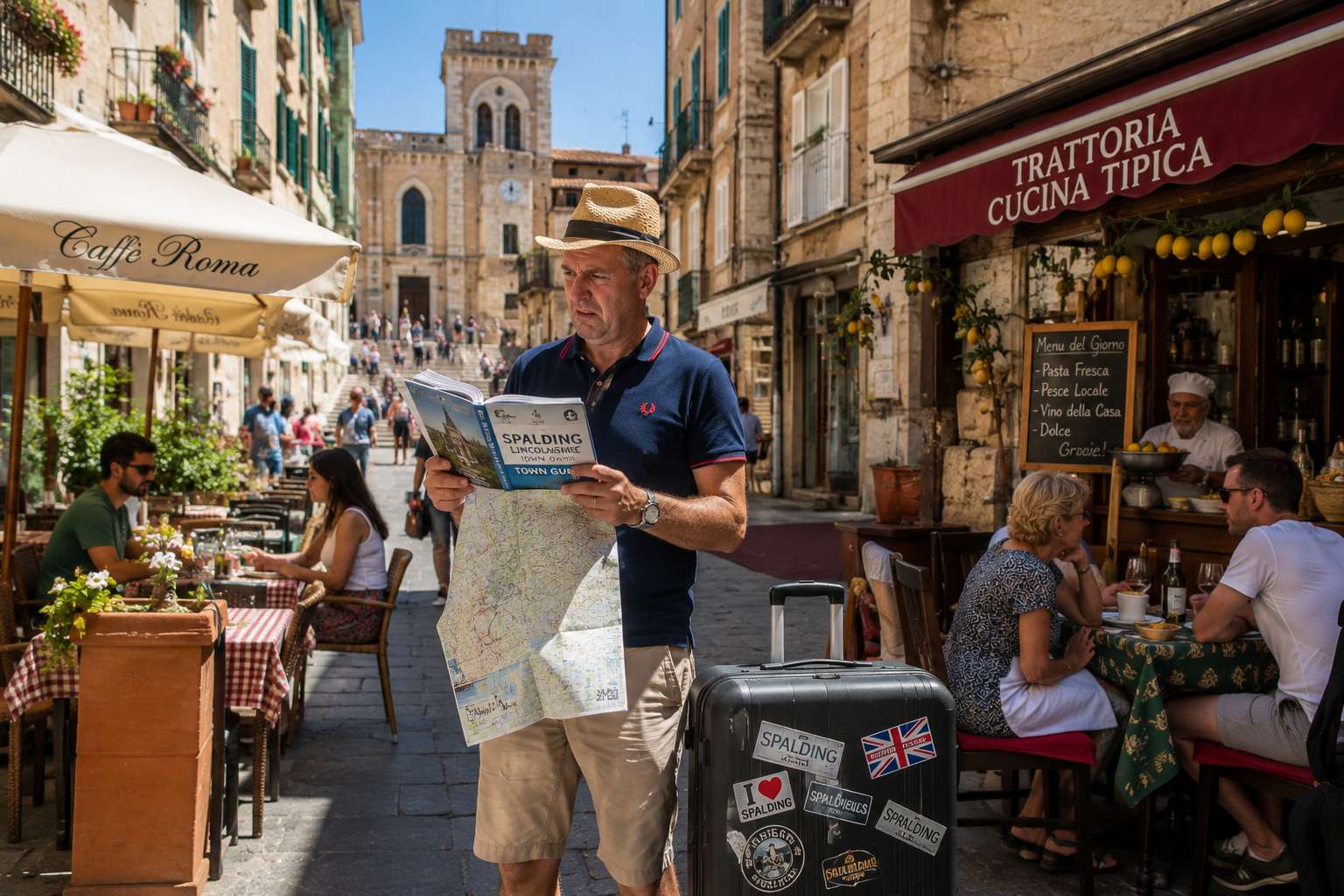
A tourist from Spalding, Lincolnshire, has returned from a two-week holiday in Italy and lodged a formal complaint after discovering the destination was "far more foreign than expected."
The traveller, who had booked the holiday nearly eight months in advance, admitted they were surprised to encounter foreign languages, unfamiliar food, local customs and a general lack of recognisable British high streets.
According to witnesses, concerns began shortly after arrival.
"The first warning sign was when people started speaking the local language," the tourist explained. "I thought they would mostly use English out of courtesy."
The situation reportedly deteriorated further after discovering restaurants served local cuisine instead of sausage rolls, Sunday roasts and meal deals.
Spalding Resident Describes Cultural Challenges.
The traveller's difficulties continued throughout the holiday.
Attempts to order fish and chips resulted in grilled seafood prepared according to local traditions. Breakfast reportedly contained unfamiliar pastries rather than a full English.
Even more alarming was the discovery that local television channels focused heavily on domestic news rather than events taking place in Lincolnshire.
Friends say the tourist remained optimistic during the first few days but became increasingly concerned after realising nobody in the destination appeared particularly interested in discussing the A16 or parking availability at Springfields Outlet.
By the end of the trip, they reportedly described the experience as "unexpectedly international."
British Love Of Overseas Travel Remains Strong.
Despite occasional culture shock, Britons remain among the world's most enthusiastic travellers.
Recent figures show UK residents make tens of millions of overseas visits each year. Before the pandemic, annual overseas trips by UK residents regularly exceeded 90 million journeys.
Spain, France, Italy and Portugal continue to rank among the most popular destinations, attracting millions of British visitors annually.
Travel industry analysts note that many tourists actively seek cultural experiences when travelling abroad. However, researchers acknowledge there remains a small but vocal group who appear disappointed when those cultural experiences actually occur.
The Spalding case has become an important example within the sector.
Experts Examine The "Too Foreign" Phenomenon.
Travel specialists say the condition is more common than many realise.
One industry expert explained that some tourists spend months researching beaches, hotels and weather forecasts while accidentally overlooking the fact they are visiting another country.
The report identified several common symptoms.
These include surprise at foreign languages, confusion over local food, disappointment when pubs close at different times and frustration when television programmes fail to reference British weather.
Researchers estimate that thousands of tourists annually experience mild versions of the syndrome.
Fortunately, recovery rates remain high upon returning home.
Economic Impact Of Tourism Continues To Grow.
Tourism remains one of the world's largest industries.
Globally, international tourism generates trillions of pounds in economic activity and supports millions of jobs. In the UK alone, inbound and domestic tourism contributes billions annually to the economy.
British tourists themselves represent a significant international spending force, contributing substantial revenue to hotels, restaurants, attractions and transport providers across Europe and beyond.
Industry leaders therefore remain committed to welcoming visitors despite occasional complaints regarding foreignness.
One tourism spokesperson stated that international destinations would continue featuring local languages and customs "for the foreseeable future."
Locals Respond To Visitor Feedback.
Residents of the destination reportedly received the criticism with good humour.
One local restaurant owner expressed surprise that a visitor seemed disappointed by authentic local food.
"We thought that was one of the reasons people came here," they explained.
Meanwhile, hotel staff reportedly considered introducing a special information leaflet reminding guests that foreign countries may occasionally contain foreign people.
The proposal is currently under review.
Lessons Learned For Future Travellers.
Following the experience, the Spalding tourist has vowed to conduct more detailed research before booking another overseas holiday.
Potential future destinations reportedly include Skegness, Hunstanton and possibly Norfolk, where cultural differences are considered more manageable.
Travel experts believe the story offers an important lesson for anyone planning a trip abroad.
While holidaymakers can prepare for weather, accommodation and transport, they should also be aware that international destinations may contain different traditions, languages and lifestyles.
For now, the tourist remains pleased to be home, surrounded by familiar roads, familiar weather and familiar complaints about roadworks.
Ironically, friends say they have already started browsing websites for another foreign holiday next summer.
Have you ever experienced culture shock while travelling abroad, or do you actively seek out local food, customs and traditions?